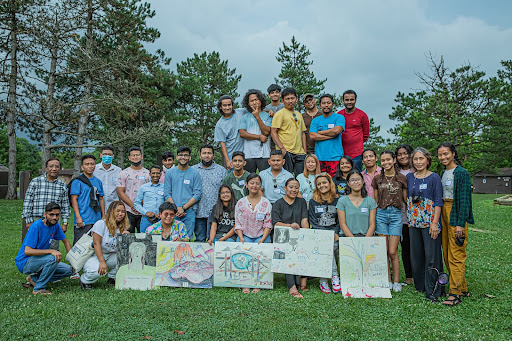
Across the country, families continue to face mounting threats of separation due to deportation, detention, and incarceration. Throughout our 2025 Giving Campaign: Keep Families Together, we’re highlighting several We Got Us Fund grantee partners – Asian Refugees United (ARU), ‘Ekolu Mea Nui, EMAC, KhAAG, and PrYSM – who have stood with their communities through moments when separation was imminent, and hope felt out of reach. Their stories remind us what it looks like when communities refuse to let one another face these systems alone.
Navigating Systems That Threaten to Separate Families
For many families, separation begins suddenly: an outdated conviction, a minor charge, a routine ICE check-in that doesn’t go as expected. KhAAG saw this firsthand when Lao and Vietnamese community members were detained during standard check-ins. In these moments, loved ones must navigate a legal system they often barely understand, with little time and fewer resources.
Our grantee partners step into this uncertainty by connecting families with attorneys, filing emergency motions, supporting vacatur efforts, and guiding people through processes designed to be overwhelming. EMAC is helping one community member who, after years of being too afraid to seek support, is now working with an immigration attorney and a public defender to fight deportation and clear their charges.
These interventions are often life-changing. Several of KhAAG’s community members were able to avoid deportation because their communities mobilized – more than 100 people attended one man’s hearing, and a local organization filed a habeas petition that won the other’s release.
Other stories reveal how far communities will go to protect one another. A Thai refugee in PrYSM’s community was detained for nine months and told by ICE he wouldn’t see daylight again until he arrived in Cambodia. His release came only after organizers brought in elected officials and media pressure. At ARU, a Bhutanese community member’s deportation was halted because people worked tirelessly until the final moments to keep him home.
To meet the fear and distrust that so many families experience, our partners invest heavily in relationship-building through Know Your Rights trainings, peer-led defense sessions, hotline support, and community education. Their work offers more than guidance; it offers a sense of preparation in navigating what seems impenetrable.

While legal support is vital, family separation is not only a legal crisis. It is emotional, cultural, and generational in nature. ‘Ekolu Mea Nui and ARU emphasize that trauma runs deeper than a single event; it is shaped by displacement, assimilation, and systems that disconnect communities from their roots.
‘Ekolu Mea Nui brings families to the ‘Aina, grounding healing in Hawaiian practice, lineage, and land. Through Nā ʻŌpio Waiwaia, their youth council for young people with incarcerated or previously incarcerated loved ones, participants learn about identity, cultural responsibility, and advocacy. Each young person is reminded that they are a vital source of waiwai (wealth, value, and abundance).
ARU nurtures healing through embodiment, ancestral practice, and art. Their spaces are sanctuaries where community members reconnect with their bodies and stories after generations of forced movement and cultural loss.
These programs remind us that separation is not only created by detention, deportation, and incarceration. It is created by systems that silence, shame cultural identity, and push communities to disconnect from themselves. Rebuilding these connections is crucial for reuniting families and facilitating healing.

Strength in Collective Care
Though each organization faces different cases, their stories converge on a simple truth: families are strongest when communities show up, especially in the moments that matter most.
A mother and her children from Hawai’i were permitted to visit their incarcerated husband and father.
A Vietnamese father and husband won the right to stay with his family.
A Cambodian refugee was released from detention after months of uncertainty.
A Bhutanese community member’s deportation was paused at the very last moment.
These are not isolated events; they are reflections of a broader network of mutual aid, courage, and collective care. Across late nights, courtrooms, community meetings, and cultural gatherings, these organizations work steadily to keep families whole.
Their work is a reminder that while systems may separate, people, standing together, can unite, repair, and rise.
—
Read more about a few of these organizations at https://new-breath.org/blog/keep-families-together/.